


Water, Carbon and Ecological Footprints of Sugarcane Cultivation in the Upper Cauca River Basin
Colombia (1960-2022)
12 August 2025
Authors: Mario Alejandro Pérez Rincón, Katherine Mosquera Víquez, Isabella Puente Prado, Daniel Andrés Mosquera, Yinneth Andrea Molina Macías
Abstract: Desde la Revolución Industrial, las actividades humanas han generado profundas transformaciones en los ecosistemas del planeta, intensificando el consumo de recursos naturales y provocando desequilibrios ecológicos a gran escala. Este fenómeno, conocido como Cambio Ambiental Global, plantea retos significativos para los países del trópico, como Colombia, que enfrentan los mayores impactos del cambio climático con menores capacidades de respuesta.
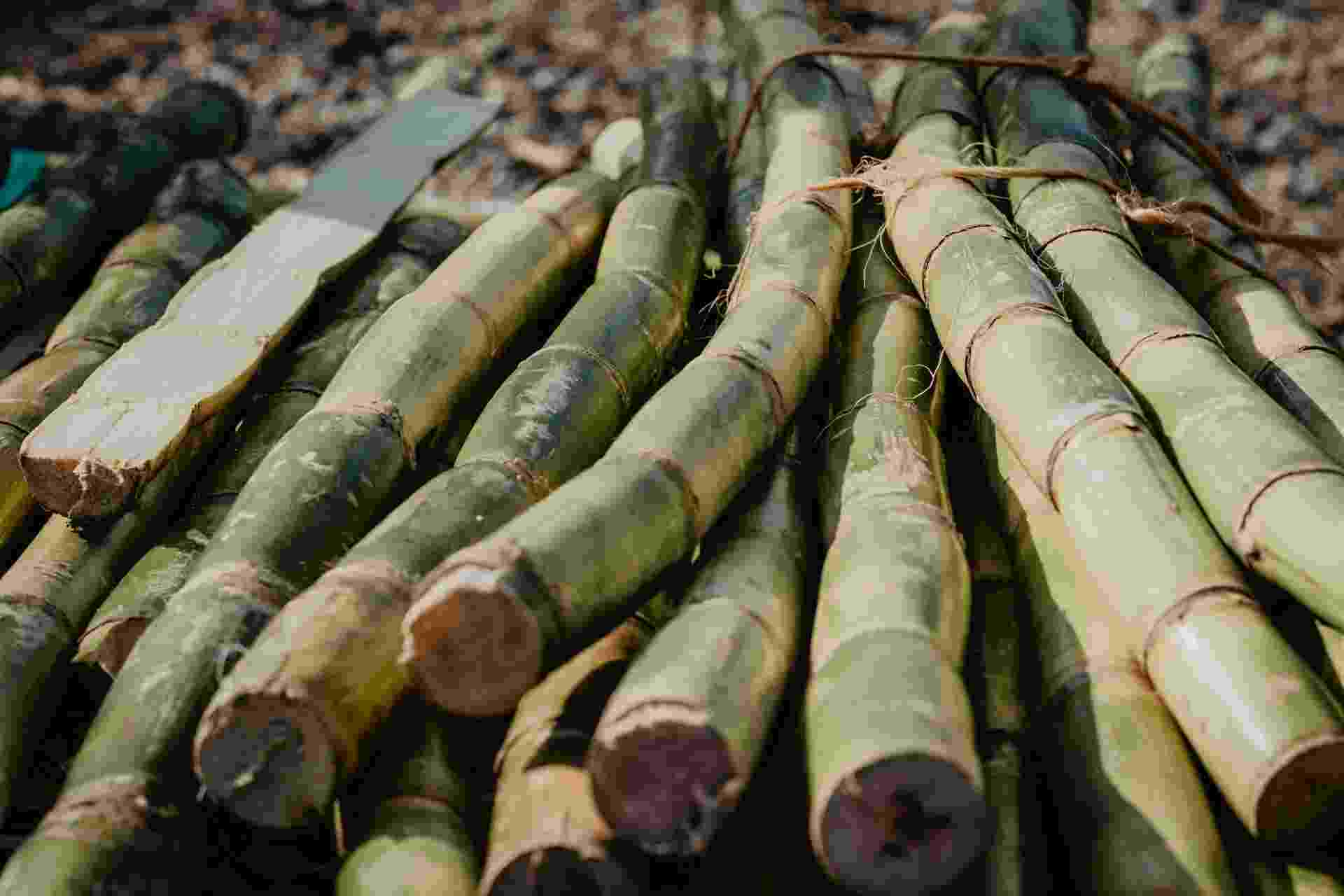
Este libro se centra en el caso del monocultivo industrial de caña de azúcar en la Cuenca Alta del Río Cauca (CARC), una actividad económica clave que, sin embargo, ejerce importantes presiones sobre el ambiente. Entre los principales impactos se destacan: el uso intensivo de agua, la quema de la caña que genera emisiones de gases de efecto invernadero, y la transformación del suelo que compromete la biodiversidad. Este trabajo aplica tres indicadores biofísicos de presión ambiental —Huella Hídrica, Huella de Carbono y Huella Ecológica— que permiten cuantificar y comprender el impacto real del monocultivo sobre los ecosistemas de la región.
English abstract:
Since the Industrial Revolution, human activities have generated profound transformations in the planet's ecosystems, intensifying the consumption of natural resources and causing large-scale ecological imbalances. This phenomenon, known as Global Environmental Change, poses significant challenges for tropical countries, such as Colombia, which face the greatest impacts of climate change with less capacity to respond.
This book focuses on the case of industrial sugarcane monoculture in the Upper Cauca River Basin (CARC), a key economic activity that, nevertheless, exerts significant pressure on the environment. Among the main impacts are: intensive water use, the burning of sugarcane which generates greenhouse gas emissions, and soil transformation that compromises biodiversity. This study applies three biophysical indicators of environmental pressure - Water Footprint, Carbon Footprint, and Ecological Footprint - which allow us to quantify and understand the real impact of monoculture on the region's ecosystems.